07 stycznia 2012

Winter Torpor

As usual, I have lots of ideas for new posts, but when I sit down to write something in Polish, my motivation quickly drains away. I haven't done any serious Polish study in months now, and I really notice my skills wasting away. Lots of room for improvement in 2012! I have decided to write a post in English (I never promised this blog would be all Polish anyway) to help get the blogging motivation going again.

Not exactly 'winter torpor,' but I think it conveys the mood. Al. Zieleniecka, October.
Living in Canada, winter was always my favourite season. I don't just say that to be contrary. In my memory, Alberta winters were always snowy and cold. The snow sharpens things up and covers the lingering browns and yellows of fall in a bright blanket. I wear sunglasses more in the winter than any time of year. Also relatively dry (as in humidity), the cold is tolerable if you dress properly and keep moving. Nothing beats that deep creaky sound of packed snow under your boots. The bonus is that there seems a lot of sunshine. Crisp, sparkly winter sun draws you outdoors. I was last home a little over a year ago and could use a dose of Alberta snow and sun about now. The series of photos below was taken in and around Red Deer, Alberta in December 2010. We had a light snow fall that year.

No strings attached . . .

Sunglasses, please!

Fine ice crystals in the the air this cold day create this lovely effect.

Blue sky winter.

Canadian winter is not without its hazards. I have experienced serious frostbite (due more to stupidity than weather), treacherous driving conditions, and mountains of snow to be shovelled from the driveway. At least it provides good exercise!

In contrast, Polish winter for me feels much colder than home. I know its not. This winter in Poland is much milder than last. For me, Polish winter means dark, wet, and cold. This winter in Warsaw has so far been free of that disgusting, salty, dog shit and cigarette butt ridden slush that we work to keep off our boots all winter. I was never much a believer in the winter blues, but I understand the feeling better now. Sunshine, please!

There are lots of ways to get outside and enjoy the available sunlight. The days are getting longer! This winter I have not been as good at it as other years. My 'inside nights' have been totally unproductive either. This leads me back to language. . .

My students frequently seek more ways to engage with the English language in their daily lives, as do I. I already read widely, but my infantile understanding of Polish has driven me to explore other forms of mental stimulation in English. Over the past few months, I have discovered many useful podcasts I now listen to regularly. The great thing about being relatively isolated from what the North American mass media thinks I should listen to, is that I have pursued my own topics and interests. I'll share with you now what are, in no particular order, some of my favourite podcasts. I don't use an internet connected mobile device or 'i-Something,' so I usually listen to these around home from the computer. I'm sure all of them are available for subscription on Apple's proprietary service, but the links below should work with any audio program capable of streaming. Paste the url in parentheses directly into your audio player.

CBC The World at 6 (http://www.cbc.ca/podcasting/includes/w6.xml)
  • The World at 6 gives me a good enough dose of world news from a Canadian perspective. Paradoxically, 'The World at 6' is published at 1900, 2000, and 2100 EST every day. The CBC website has many many other podcasts on different topics. Highly recommended. http://www.cbc.ca/podcasting/
Freakonomics Radio (http://podcasts.nytimes.com/services/xml/rss/nyt/podcasts/freakonomicsradio.xml)
  • Freakonomics Radio is produced by economists Levitt and Dubner, who brought us the books 'Freakonomics' and 'Superfreakonomics.' Listen here for 'the hidden side of everything.' This is not your regular 'egghead' economics podcast. http://www.freakonomics.com/
The New Yorker: The Political Scene (http://feeds.newyorker.com/services/rss/feeds/campaign_trail.xml)
NPR
CFR: The World Next Week (http://feeds.cfr.org/publication/twnw)
  • This CFR (Council on Foreign Relations) production is top notch. CFR also have recordings of conference calls between top experts on world issues, but the audio quality is sometimes intolerable. If you like lots of old man lip-smacking and throat-clearing, however, you may enjoy the conference calls. http://www.cfr.org/thinktank/cgs/podcasts.html
Photography Tips from the Top Floor (http://www.tipsfromthetopfloor.com/wp-rss2.php)
  • There are loads of photography podcasts out there. I especially recommend this one because the host, is NOT a native English speaker. He enunciates with crystal clarity and at an understandable speed. You, too can learn to speak English this well. http://www.tipsfromthetopfloor.com/
This Week in Photo (http://feeds.feedburner.com/ThisWeekInPhoto)
The Two Hosers Photo Show (http://feeds.feedburner.com/TheTwoHosersPhotoShow)
  • I include this not not because it is an especially good photography podcast, but because it is an excellent example of a particular variety of Canadian English. More 'art' than the tech podcast above. See if you can catch all the jokes in the repartee between these two Canadian hosers. http://twohosers.com/
Slate's Negotiation Academy (http://feeds.feedburner.com/SlateNegotiationAcademy)
WTF with Marc Maron (http://www.wtfpod.com/podcast/rss)
  • 'What The Fuck' with Marc Maron is a great comedy and general podcast. Marc seems a little harsh at first, but you'll certainly pick up some fantastic vocabulary. He's a good interviewer, and very funny. There is a lot more depth here than other 'light' comedy topics - it will grow on you. A friend begged me to listen to this one for a long time and I finally understand why. http://www.wtfpod.com/
So, what do you do to beat the winter blues? Have any podcasts of your own to recommend? There must be some good podcasts in Polish, but I haven't really researched them. Share your favourites in any language in the comments below. Comments welcome in Polish or English!

Choosing photos for this blog post has reminded me I have a significant backlog of photos from the year I'd like to share someplace. Choosing a list of favourites is the hardest thing and is a project I need to start and finish. Watch for them here or in a Google+ gallery coming soon. Also, BnP may have a special guest post in the coming weeks, so check back spoon for more.

24 października 2011

Sierściuch

Cześć!

Dawno temu nie pisałem nic. Przepraszam. Ostatnio robię dużo ale często unikałem pisanie blog. Kiedy potrzebuję pięć minut żeby napisać jedno zdanię, jest trudno robić postęp. Jeśli masz blog już wiesz o co mi chodzi.

Niedawno, mieliśmy gości w domu. To oczywiste, że czasami mamy gości, ale kilku gości są bardziej interesujący niż inny. Lubimy wszyscy! Rozmawiam o specjalnym gośćie - był sierściuch! Już wiesz? Chcesz zgadnąć jaki sierściuch? Może potrzebujesz więcej informację. Napomykam aluzję . . .

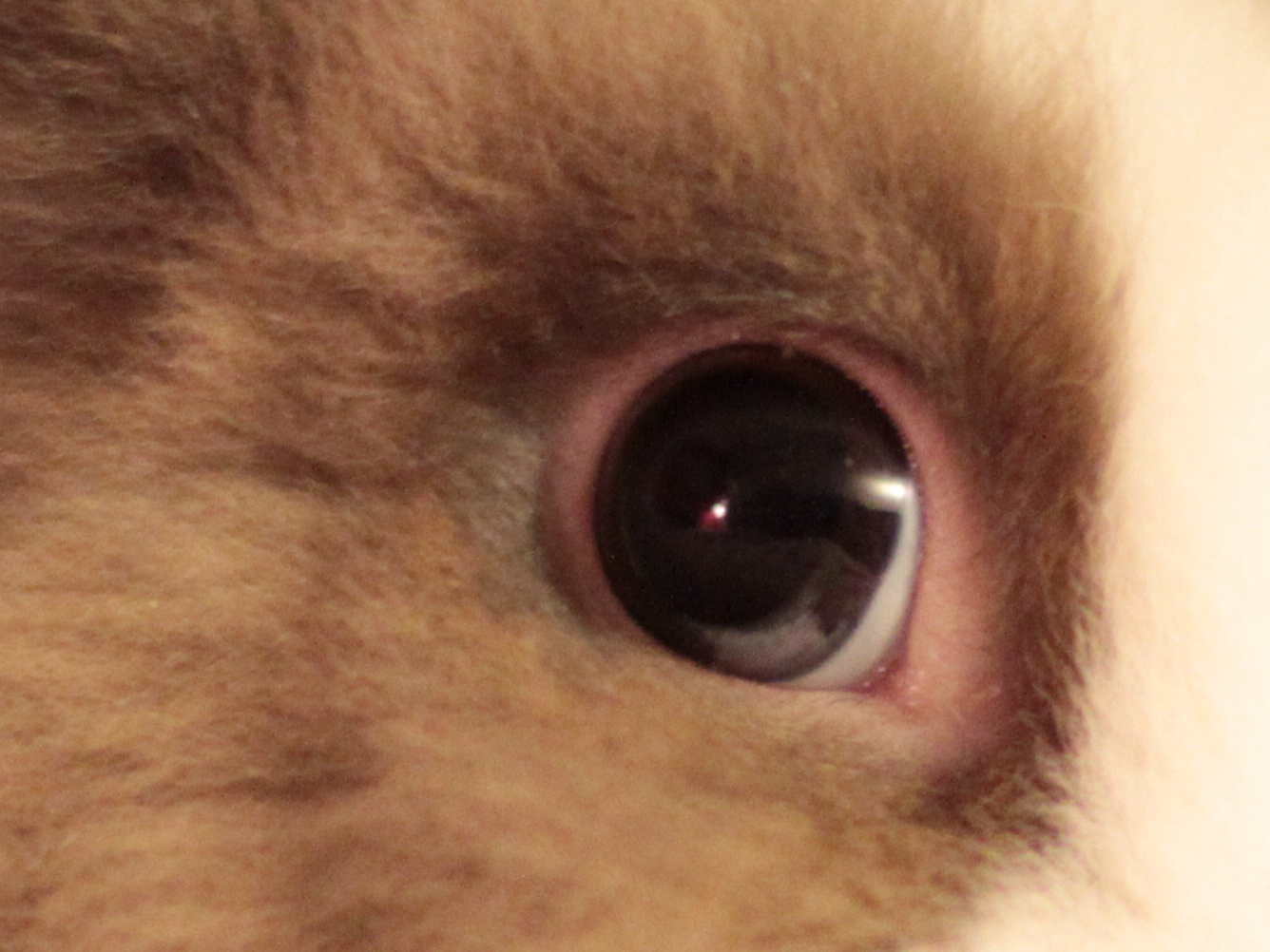
Był mały. Miał cztery nogi i dwa oczy. Ogon też miał. Hmm. Może jeśli chcesz zgadnąć, chcesz oglądać zdjęcie?

Sierściuch
Masz dość? Nie mam. Chciałbym powiedzieć więcej. Kiedy mały sierściuch przychodził, był w małej klatke. On też miał specjalnie jedzenie, ale może jesć różny rzeczy. Teraz na pewno wiesz jaki gryzoń . . .  albo . . .  zwierząt był?


On ma bardzo miękki włosy i śliczny nos. Nie, nie była moją zonę! On ma imię, ale nie mogę powiedzieć bo jest bardzo nieciekawy. Co chcesz wiedzieć?

On ma duży uszy i duży nogi. Kiedy on boje się, wali w podłogę. Ciągle nie wiesz?? Jest królik! On ma na imię "Królik." Nie wiem, dlaczego on ma taki nieciekawy imię, bo jego właścicieli są inteligentny i kreatywny. On ma zabawny historię, bo mój przyjaciel znalazł go w parku w Warszawie.


Kiedy on był zrelaksowany, zaczynał badać mieszkanie. . .


Daliśmy go pietruszka. Niestety, on ma problem bo nie ma przedni zębów. Czasami potrzebuje pomoc.


Daliśmy mu jedzenie i miłość i dał nam kilka małych, brązowych prezentów. Nie zachowaliśmy ich.

Jestem zmęczony. Koniec!

One last point . . . who wants to translate 'sierściuch' into English? Any takers?

Borsuk Żyje

Wow. It's been a while. I realised today that it has been far too long since I've blogged. In my absence, the blogger interface has even changed. Indeed I am still alive, living in Poland, and learning Polish. I have been busy . . . "going places, meeting people, working on projects." My approach to blogging in Polish takes the same form as other work avoidance activities. The floor gets cleaned, laundry hung up, bathroom cleaned, everything! Any of you who have been a student know that there is nothing like an assignment or project to create a clean house.

Polish progress? Yes, I'm making some. Still not enough. I have one or two Polish lessons a week now with private teachers. We also have Polish days at home now - it works better than any system we've devised to date - that is until there is a communication breakdown and we lapse into English for the rest of the day. But there IS progress. See for yourself - check back in a few hours for my next post: "Sierściuch."

06 sierpnia 2011

Translation Challenge

Zuzia Buszewicz (Desperate Polish Housewife in Exile) has challenged me to do a little poetry translation. I have to admit that I'm not usually big on translation but I decided I would give it a go. I have just now finished a quick and dirty translation, using only a dictionary - no Googling or Google translating.

Here is the original Polish (find the song on Youtube here):

W pięciu smakach - Monika Brodka


Jadę miastem szybciej niż się da
Dynda głową sztuczny pies
Świateł, znaków udaję, że nie widzę
GPS-em mały bies

Tuż za rzeką drugi, trzeci most
Rzędy skaryszewskich drzew
Las żurawi poharatał niebo
Słyszę Twój anielski śpiew

W pięciu smakach kaczka tapla się
Mija soję, tofu, ryż
Uduszona latająca ryba
Ćwiczy w piwie skoki wzwyż

Słodko-kwaśnych słów rozumiem kilka
Kiedy do mnie mówisz - drżę
Śpiewasz pięknie wtedy gdy gotujesz
Chciałam byś nauczył mni

I'm a little embarrassed about the quality of the translation that is to follow. . . but I am trying to be fearless so here is my rudimentary translation as best I can understand it:

The Fifth Taste - Monika Brodka

I go through the city faster than possible
The artificial dog's head dangles
The light gives a signal that I don't see
Using a GPS, the little devil

Right behind the river, the second, third bridge
A line of trees in Skaryszewski Park
A forest of cranes cuts up the sky
I hear your angel's song

The fifth taste of duck sloshes about in the pot
It's missing soybeans, tofu, and rice
Choking on a flying fish
Training with beer, long and high jumping

I understand some sweet and sour words
When you speak to me I shudder
You sing beautifully when you cook
I wanted you to teach me

Now I'll look to see what Google translate says, and see if there are other English translations around.

How did I do? Enter your comments below!

Note: after reading your feedback and checking a couple existing translations on the web, (here and here) I have tweaked my translation a bit. A few lines that sounded just right have been copied directly from these sources. Here it is one more time in what is I hope a more faithful version.

Five Spice - Monika Brodka

I drive through the city faster than allowed
The artificial dog's head dangles
I pretend not to see the lights, the signs
Using a GPS, the little devil

Right behind the river, the second, third bridge
A line of trees in Skaryszewski
A forest of cranes cuts the sky
I hear your angelic voice

The duck sloshes about in five spices
Passing soybeans, tofu, and rice
The flying fish is high jumping
In a beer stew

I understand some sweet and sour words
When you speak to me I shudder
You sing beautifully when you cook
I'd like you to teach me

I now have a much greater respect for all translators. What a challenge!

28 lipca 2011

Wena

Parking

jestem ekspertem parkingowym
budzę się wcześnie z humorem dobrym
ludzie starają się znaleść miejsce
wiem gdzie na ulicy
mam garnitur, stare buty
pracuję cały zimny luty
daję znaki ręką najwidoczniej
mam dość teraz piwo gdzie?

This is my first attempt at writing any kind of poetry in a foreign language. It's difficult! Trying to find simple rhymes in another language really demonstrates my paltry vocabulary. If I sit in silence and try to think of rhymes in English, they fade in and out of my mind automatically. This morning when I tried to think of Polish rhymes I sat looking at the table with an empty head!

Bloggers guilt is a real thing, you might think that I have given up on my Polish but you would be wrong. I'm not in a formal class these days but I continue to work away at improving my Polish in fits and starts. Don't give up on Borsuk na Pradze!

Any suggestions for the topic for my next poem? Let me know what you think in the comments below, and come back soon for an update on my pomidory!

19 czerwca 2011

Autor

A little experiment tonight. I know this blog is read by different types of people. The first group is people who know me and who I give the address to . . . examples here include my mom and my friends. The second group is the group from the 'blogosphere,' including those of you who have found BnP through Google or other means. I don't know how many of my readers are native English speakers and how many are native Polish speakers. I will add a poll shortly to that effect.

Today I am going to include in the blog a short 'composition' I wrote as a homework assignment for my Polish class. I will include two versions. First, the version I wrote before class at the breakfast table. I didn't use a dictionary or any other resources. Second, I will include the amended version, showing my errors and their corrections. This way, you English speaking readers can get a chance to figure out what kind of language Polish really is to learn. The side effect of re-writing the revised version is that I hope to remember some of it!

'Autor' (breakfast table version)

Jest trudy powiedzić kto jest mój ulubionych autorem bo ostatnio nie czytam dużo książki. Pytałaś o autorach kanadiejskich, ale nie wiem dużo, bo większość autory Kanadyski piszą o temat 'ludziska' i nie bardzo lubię.

Ostatnio, czytam codziennie na internecie. Czytam BBC, Washington Post, Al Jazeera i inny Gazety. Rzadko czytam po polsku bo normalnie nie mam czerpliwość. Wiem, że muszę . . .

Dawno temu, kiedy czytałem więcej, bardzo lubiłem autor Raymond Chandler. Chandler był autorem amerikaninem kto pisał około 1950. Kilka książki Chandlera teraz śą filmy, jak 'The Big Sleep,' 'The Long Goodbye,' i inny. Bohater Chandlera był detektyw Philip Marlowe, kto pił dużo whiskey, palił dużo papierosy, zastrzelił kilka gangstery. Większość autorów kriminałów piszę [and my wife helped me with this last part] prostym językiem ale Chandler pisał w świetnym stylu i to jest dlatego on jest mój ulubionych autorem.

'Autor' (post-revision version)

Jest trudno powiedzić kto jest mój moim ulubionych ulubionym autorem bo ostatnio nie czytam dużo książki książek. Pytałaś o autorach autora kanadiejskich kanadiejskiego kanadyjskich, ale nie wiem dużo, bo większość autory autorów Kanadyski kanadyskich piszą pisze o na temat 'ludziskaludzie ludzi i nie bardzo lubię taki temat.

Ostatnio, czytam codziennie na w internecie. Czytam BBC, Washington Post, Al Jazeera i inny inne Gazety. Rzadko czytam po polsku bo normalnie nie mam czerpliwość cierpliwości. Wiem, że muszę . . .

Dawno temu, kiedy czytałem więcej, bardzo lubiłem autor autora Raymond Chandler Raymonda Chandlera. Chandler był autorem amerikaninem amerykańskim kto który pisał około 1950 tego roku. Kilka książki książek Chandlera teraz śą filmy zekranizowanu zekranizowano, jak 'The Big Sleep,' 'The Long Goodbye,' i inny inne. Bohater Chandlera był detektyw detektywem Philip Marlowe Philip Marlowe, bohater Chandlera, był detektywem, kto który pił dużo whiskey, palił dużo papierosy papierosów, zastrzelił kilka gangstery gangsterów. Większość autorów kriminałów kryminałów piszę pisze [and my wife helped me with this last part] prostym językiem ale Chandler pisał w świetnym stylu i to jest dlatego on jest mój moim ulubionych ulubionym autorem. 

Version III - corrected!

Jest trudno powiedzić kto jest moim ulubionym autorem bo ostatnio nie czytam dużo książek. Pytałaś o autora kanadyjskich, ale nie wiem dużo, bo większość autorów kanadyskich pisze o na temat ludzi i nie bardzo lubię taki temat.

Ostatnio, czytam codziennie w internecie. Czytam BBC, Washington Post, Al Jazeera i inne Gazety. Rzadko czytam po polsku bo normalnie nie mam cierpliwości. Wiem, że muszę . . .

Dawno temu, kiedy czytałem więcej, bardzo lubiłem autora Raymonda Chandlera. Chandler był autorem amerykańskim który pisał około 1950 roku. Kilka książek Chandlera zekranizowano, jak 'The Big Sleep,' 'The Long Goodbye,' i innePhilip Marlowe, bohater Chandlera, był detektywemktóry pił dużo whiskey, palił dużo papierosów i zastrzelił kilka kilku gangsterów. Większość autorów kryminałów pisze [and my wife helped me with this last part] prostym językiem ale Chandler pisał w świetnym stylu i to dlatego on jest moim ulubionym autorem.

Many thanks to Chris for his wordsmithing of my revised version. Chris I think I have all the errors corrected now.

31 maja 2011

Upominek

Mam bardzo miłych studentów. W kwietnia, jednego studenta dała mi niezwykły upominek. Ona przyniósła upominek w małej papierowej torbie. Był mały i lekki, i przeważnie brązowy z zielonymi rzeczami. Był w pojemniku plastikowym i też był trochę mokry. Czy wiesz co to jest?

Mały, brązowy, zielony i trochę mokry.
Co to jest? Trzymałem pojemnik przy słonecznym oknie przez dwa tygodnia. Trzy razy na tydzień, dałem trochę wodę roślinom. Czekałem.

Powoli, małe zielone liście rosły. Byłem uważny i dałem wodę kiedy ziemia była sucha, i mówiłem łagodnie do nich po polsku i po angielsku. Oni ciągnęli i rosły każdego dnia. Niedługo potem potrzebowały więcej ziemię i większy pojemnik.

Dużo ziemia organiczny.
Kiedy rośliny miały 11 dni, kupiłem długą, białą skrzynkę bo nie mamy dużego balkonu. Rośliny wyglądały niższy bo dodawałem dużo ziemię organiczną. Nie wiem ile miały dzień przed moja studenta dała mi ich. Czy wiesz co to jest? Kwiaty? Róże? Coś innego? Proszę czytać więcej . . .

Nowy dom roślinek.
Tylko trzy dni później, rośliny były szczęśliwa i zdrowa w nich nowym domu. Trzy małe rośliny i jeden bratek mieszkają razem na balkonie. Tylko trzeba poczekać . . .

Rosną bez lęku.
Na początek martwiłem się jeśli rośliny miały lęk przestrzeni albo wysokości, bo balkon jest na piątym piętrze. Nie zauważyłem problemów, więc kontynuowałem podlewanie i mówienie do nich. Już rośliny wiedziały kilka zwroty po angielsku, ale bratki uczy się szybciej język polskiego. Nie wiem dlaczego ale może jest problem z powodu inżynierii genetycznej. Już wiesz jakie to rośliny?

Miałem problem. Nie byliśmy przez tydzień, bo wyjechaliśmy do Rzymie. Rośliny potrzebują wodę trzy razy na tygodniu i niestety nie bardzo znam naszej sąsiadów. Na szczęście, moja teściowa mieszka blisko, i ona wie dobrze jak dać wodę roślinie. Także, rośliny były bezpieczniejsza niż w niej domu bo ona ma głodnego kota kto bardzo lubi zjeść rośliny.

Kiedy wróciliśmy, rośliny były ogromne!

Myślę, że moja teściowa dała im stek, bo były potwory!
Moje spragnione rośliny rosły bardzo szybko. Na zdjęcia powyżej, one mają tylko cztery i pól tygodnia. Kto wie jakie to rośliny? Skomentuj!

30 maj, mają pięć i pól tygodnia.

09 maja 2011

Zagadka

Sometimes I chat with my students a little in Polish. I enjoy it and (I think) so do they. Seeing me struggle to string together grammatical sentences is a great equalizer! Sometimes my students share a small joke or riddle with me and I really enjoy trying to retell them to others and try for laughs. My absolutely toughest critic is my wife. I need some really clever jokes and riddles for her. Share them here!

I absolutely cannot take credit for this one, but one of my students related a short riddle this week that I love. Whoever correctly solves the riddle first will be crowned riddle champion for the week. Sorry, native Polish speakers are prohibited from posting the solution prematurely (give us beginners a chance), although your help in adjudicating the answers might be necessary!

Here it is:

Dziobał szpak bociana.
Potem była zmiana - bociana dziobał szpak.
Potem były jeszcze trzy takie zmiany.
Ile razy szpak był dziobany?

Hint: If you're lost with the vocabulary like I was, check the 'Sunday słownictwo' from earlier today for a little help. 

Enter your answer in the comments below and be crowned riddle champion. Do you have better riddles, word puzzles, or jokes for me? Proszę skomentować!

08 maja 2011

Sunday Słownictwo and Sordid Weekend Summary

Dzień dobry. Dziś mam jeszcze jedną dużą listę słownictwa. Napiszę więcej później.

Słownictwo:

I've decided for now to leave off the part of speech. In most cases it is obvious. I will include 'to' on the English verbs.
  • wielki / very big
  • półwysep / peninsula
  • siedzieć | usiąść / to sit
  • leżeć / to lie
    • leży mi to na sumieniu / it lies heavy on my conscience
  • piekło / hell
  • gubić | zgubić / to lose
  • łąka / meadow
  • słaby / weak
  • światło / light
  • prawie / almost
  • rodzynek / raisin
  • ciało / body
  • trzeba / ~ one should
  • stolica / capital (city)
  • opalać się / to sunbathe
  • umawiać się | umowić się / to make an appointment
  • wiersz / poem
  • wieś / village
  • szczęście / luck, happiness
  • księżyc / moon
  • wystawa / exhibition
  • wielbłąd / camel
  • zmieszany / confused
  • skarpetki nie od pary / unmatched socks
  • trójkąt bermudzki / Bermuda triangle
  • kołnierzyk / collar
  • kolszulka polo / polo shirt, golf shirt
  • zarozumiały / arrogant, immodest
  • szpak / starling
  • gęsi / goose, geese
  • bocian / stork
  • zmiany / changes
  • dziobać / to peck at sth or somebody
  • spieszyć się | pospieszyć się / to be in a hurry
  • wreszcie / finally [2nd appearance I'm sure, can't seem to remember it]
  • zrezygnowany / resigned
  • bić | zbić / to beat, to hit
  • szyć | uszyć / to sew, to stitch
  • ślimak / snail, slug
  • reguła / rule
  • nagle / suddenly
  • zerknąć / to glance, to peek
  • znowu / again
  • własny / own
  • zdarzać się | zdarzyć się / to happen
  • krzyczeć / to shout
  • spodnie / pants
  • surdut / jacket
  • przewracać | przewrócić / to knock down, to knock over
  • macać | pomacać / to feel
  • palto / coat
  • piec / stove
  • komin / chimney
  • dziura / hole
  • wzywać | wezwać / to call, to summon
Zwroty:
  • dawno temu nie widzieliśmy się / long time no see
More to come later today! The sordid weekend part was just a cheap spoof to draw some hits. We bloggers are very competitive about these sorts of things!

25 kwietnia 2011

Dopełniacz: 1, Kolin: 0

I've been getting a lot of Polish homework done today. Exercises on cases mostly, including genetive / dopełniacz singular and accusative / biernik singular. I was motivated to finally write a grammar entry summarising a few suffix rules for a case or two. My pride swelled and I attempted my homework exercises on dopełniacz plural. Argh. I thought dopełniacz was going to be one of the easy ones. As it turns out I have learned the easy ones already. I will attack dopełniacz again once my frustration level dips to a more tolerable level.

I am lacking somewhat on my understanding of what constitutes a hard or soft stem sound in Polish. I understand the concept but once I try to apply the 'rules' I get confused about the results! My wife can check my homework to see what is correct and give me the correct answers, but you really need someone with training to explain 'WHY.' So when I'm not in Polish class, I have a few good books!

Thus, this evening those of you waiting for grammar summaries (yes, I can hear the crowd clammering for grammar summaries) will have to be placated by tonight's vocabulary. Really, vocabulary needs to be my major aim these days, since I seem to need to look up a word from almost every sentence in my homework.

Słownictwo:

Remember that czasowniki are listed in two forms: niedokonany | dokonany
  • ziemia / earth, soil (rzecz)
  • doniczka / flowerpot (rzecz)
  • skrzynka / window box (rzecz)
  • drabinka / small ladder or trellis (rzecz)
  • nawóz / fertiliser (rzecz)
  • uczciwy / honest (przy)
  • odwiedzać | odwiedzić / to visit
  • łamać | złamać / to break
  • chwalić | pochwalić / to praise, to glorify
  • odkrywać | odkryć / to uncover
  • rozwiązywać | rozwiązać / to solve
  • próbować | spróbować / to test, to try
  • marzyć / to dream
  • mijać | minąć / to pass, to go past
  • cierpieć / to suffer
  • odmawiać | odmówić / to refuse, to decline
  • komponować | skomponować / to compose
  • drapać | podrapać / to scratch
  • piec | upiec / to bake, to roast
  • deptać | podeptać / to tread, to trample
  • dostosowywać | dostosować / to adjust or adapt to
  • maszerować | pomaszerować / to march
  • przekonywać | przekonać / to convince
  • święcić | święć / to bless
  • świętować | poświętować / to celebrate
  • poświęcać | poświęcić / to sacrifice, to expend
  • dziwić się | zdziwić się / to surprise
  • cieszyć się | ucieszyć się / to delight, to gladden
  • płaszcz / overcoat (rzecz)
  • teczka / briefcase, folder (rzecz)
  • pozostały / remaining (przy)
  • zajęcia / classes (rzeczownik, liczba mnoga)
  • żołnierz / soldier (rzecz)
  • wielu / much, a lot (zaimek)
  • niewiele / not much, not many (zaimek)
  • pismo / writing, alphabet (rzecz)
  • wyraz / word (rzecz)

20 kwietnia 2011

Czasowniki

I know lately this blog has been more vocabulary lists than anything else . . . I'm working on getting some grammar notes on here but right now I'm up to my eyeballs in new words. I'm swimming in them. It's hard to get the grammar when you have to look up every second word!

From this point forward, all verbs (where applicable) will be listed in both their perfective and imperfective forms. I'm terribly slow at the mental processing required to differentiate, translate, and label verbs into these categories. Some books use the perfective/imperfective distinction, and I get confused when I see the Polish books using 'dokonany' and 'niedokonany.' Which is which? I know the answer but it always takes me a while to get there.

THEREFORE, I will not be using the perfective/imperfective labels. Verbs will also now be listed in both niedokonany and dokonany forms. For that matter, verbs are no longer verbs. They are czasowniki. The vocabulary lists will use the Polish terms for the various parts of speech. So continues the slow transformation of this blog from an English one to a Polish one. I hope to one day be ostracized by Warsaw's English language blogging community.

Here it is one last time:

niedokonany = imperfective.

dokonany = perfective.

Verbs will be listed in the following fashion: 

niedokonany | dokonany

na przykład / for example:

kupować | kupić / to buy

Basics:
  • rzeczownik / noun
  • czasownik / verb
  • przymiotnik / adjective
  • przysłówek / adverb
  • liczba pojedyncza / singular
  • liczba mnoga / plural
  • rodzaj męski / masculine
  • rodzaj żeński / feminine
  • rodzaj nijaki / neuter
  • bezokolicznik / infinitive
  • zaimek / pronoun
  • przyimek / preposition
  • czas przeszły / past tense
  • czas teraźniejszy / present tense
  • czas przyszły / future tense
 Słownictwo: (you'll figure out the abbreviations)
  • atut / trump (rzecz)
  • zaleta / virtue, advantage (rzecz)
  • plus / plus, advantage (rzecz)
  • obiecywać | obiecać / to promise (czas)
  • zarośnięty / unshaven, shaggy, overgrown (przy)
  • nieogolony / unshaven (przy)
  • ogolony / shaved, shaven (przy)
  • rozczochrany / unkempt, tousled (przy)
  • żółw / tortoise, turtle (rzecz)
  • nagle / suddenly (przysł)
  • pukanie / knock (rzecz)
  • niemowlę / baby (rzecz)
  • kac / hangover (rzecz)
  • zmywarka / dishwasher (rzecz)
  • plecak / backpack (rzecz)
  • pidżama / pyjamas (rzecz, lm)
  • odwiedzać | odwiedzić / to visit (czas)
Zwroty:
  • na łonie natury / in the open
  • dawno temu / long ago
  • jaka jest różnica między A a B? / what is the difference between A and B?

17 kwietnia 2011

M jak Milość

In keeping with my mission of Polish immersion, I'm planning to start watching more Polish TV. We got a TV just after Christmas, but sadly I'm watching the English channels more than the Polish ones. 'Talking heads' news programs are terribly boring and unproductive when it comes to learning language. The sillier the show the better. Juvenile talk/activity shows such as those on VIVA Polska and other such networks are more entertaining and provide more . . . context for language learning. Cooking shows would be good. I need to find some.

'M jak Milość' is a Polish classic. It's a weekly soap opera and has been on the air for over a decade. You can watch it on TVP (14 episodes behind) with English subtitles, but it takes away all the fun. The original broadcasts are on TVP2 at 2045 on Monday and Tuesdays. I'm going to start watching. Yes, I know it's a ridiculously silly soap opera. I hope to get hooked and eventually start sending angry letters to the producers (in perfect Polish of course) if they kill the wrong character or end the wrong relationships. Are you a fan already? Who'll watch with me?  We can do Tuesday evening 'M jak Milość' discussion nights. More information on TVP2's 'M jak Milość' page.

Grammar notes still to come this weekend. Here's today's vocab. Sink or swim! I'll refine my method for vocab. listing soon to clarify the differences between imperfective and perfective verb forms. Vocabulary entries to be highlighted with yellow, and grammar with green.

Słownictwo:
  • dokąd / where to? (pron)
  • coraz / increasingly (adv)
    • coraz lepiej / better and better
  • cierpliwość / patience (n)
  • latarka / flashlight (n)
  • włożyć / to insert, to put in (v perf)
  • członek / member of a club (n)
  • komitet rodzicielski / parent-teacher association (n)
  • początek / start (n)
  • pech / bad luck (n)
  • udawac się / to have success (v)
  • udać się / to have success (v, perf)
  • wynajmować / to rent (v)
  • wynająć / to rent (v, perf)
  • zwiedzać / to visit (v)
  • zwiedzić / to visit (v, perf)
  • zaczynać / to begin, to start (v)
  • zacząć / to begin, to start (v, perf)
  • głośno / loudly (adv)
  • cicho / quietly (adv)
  • potrzebny / necessary, needed (adj)
  • okropnie / terribly, awfully (adv)
  • wdzięczny / thankful (adj)
  • ocieplić się / to warm up the weather (v, perf)
  • piosenka / song (n)
  • szeptać / to whisper (v)
  • opowiadać / to tell (v)
  • opowiedzieć / to tell (v, perf)
  • wierny / faithful (adj)
  • wrażenie / sensation, impression (n)
  • plotka / rumour (n)
Zwroty:
  • poza tym . . . / besides . . .
  • w drodze / on the way
    • w drodze powrotnej / on the way back

16 kwietnia 2011

Saturday Evening Vocabulary

More vocab from Friday's class, including some notes on the dative case (Celownik) coming tomorrow or Monday.

Słownictwo:
  • zakłopotany / embarrassed (adj)
  • olśnienie / flash of insight (n)
  • luka / gap, loophole (n)
  • brakować / to lack (v)
  • zabraknąc / to lack (v, perf)
  • narzekać na / to complain about (v)
  • kłocić się / to quarrel, to argue (v)
  • korzystać z (czegoś) / to use (something) (v)
  • oszczędności / savings (n)
  • świnka skarbonka / piggy bank (n)
  • przybywać / to arrive (v)
  • przybyć / to arrive (v, perf)
  • ubywać / to go away, to disappear (v)
  • ubyć / to go away, to disappear (v, perf)
  • zbyt / too (adv)
    • zbyt szybki / too quick
  • zmarszczka / wrinkle (n)
  • siwy / grey (adj)
  • zwariowany / mad, crazy (adj, informal)
  • szalony / mad, insane (adj)
  • starczać / to be enough (v)
    • starczy! / that's enough!
  • starczyć / to be enough (v, perf)
    • zamiast / instead of (prep)
    • właściciel / owner (n)
    • mandat / ticket (n) from the police
    Zwroty:
    • Chyba żartujesz? / Are you kidding me?

    13 kwietnia 2011

    Powinien . . .

    A note to anyone reading this blog for the first time: I don't purport to be an authority on the Polish language. I'm just recording my notes and experiments - some are bound to fail. Follow my advice at your own risk!

    One new topic from our last class was 'powinien.' It is a bit of a strange one. I guess it translates pretty directly as 'should,' but there are different forms for each pronoun. There's also no infinitive or 'bezokolicznik' form. Here's how it looks:
    • (ja) powinienem . . . (masc)
    • (ja) powinnam . . . (fem)
    • (ty) powinieneś . . . (masc)
    • (ty) powinnaś . . . (fem)
    • (on) powinien . . .
    • (ona) powinna . . .
    • (ono) powinno . . . (neut)
    • (my) powinniśmy . . . (masc)
    • (my) powinnyśmy . . . (fem)
    • (wy) powinniście . . .
    Pretty straightforward. So now I should go out and give lots of advice. As usual one should examine oneself before casting the first stone.
    • Powinienem jeść więcej lody. / I should eat more ice cream.
    • Powinieneś zgolić te śmieszne wąsy. / You should shave that ridiculous moustache.
    • Powinnaś zrobić sobie przerwę. / You (fem) should take a break.
    • Powinniśmy pomóc Henrikowi doiść do domu. / We should help Henrik walk home.
    Do you have any advice for me? What should I do?

    Słownictwo na dziś: (I'll certainly add to this after today's class!)
    • dodatkowy / additional (adj)
    • pole / field (n)
    • pole naftowe / oilfield (n)
    • środek pobudzający / stimulant (n)
    • żaglowiec / sailing ship (n)
    • bosman / bosun a job on a sailing ship (n)
    • wychować się / to grow up
    • dbać o . . . / to care for (v)
    I'll try to separate pure vocabulary from phrases from now on, as well as include appropriate prepositions that co-locate with verbs. No sense learning everything twice. The same goes for you folks learning English vocabulary. I strongly recommend you include some kind of determiner before each item in your vocabulary lists. Any determiner will do. This helps train your brain to include determiners in your writing and speech. for example:
    • THE tree
    • MY book
    • A house
    • AN hourglass
    • HIS shoes
    Back to Polish.

    Zwroty / phrases:
    • daj (mi) spokój! / give me a break!
    • przypuszczam, że... / I suppose, that . . .
    • w porównaniu z . . . / compared with . . . 
      • W porównaniu ze swoją siostrą jest bardzo rozsądna. / Compared with her sister, she's very sensible.

    12 kwietnia 2011

    Masz Wyrostek?

    I'm struggling to keep up with the volume of vocabulary I need to learn to stay afloat in my class. While the class proceeds, I'm simultaneously trying to catch up with the grammar and vocabulary in Hurrah Po Polsku 1 at home. It's a challenge.

    Thanks to those adding to my vocabulary lists. It makes it more fun having you involved.

    Dzisiejsze słownictwo: (you know what this means by now)
    • wnuczka / granddaughter (n)
    • uczennica / schoolgirl (n)
    • śpiewać / to sing (v)
    • czasopismo / periodical or magazine (n)
    • uczeń / schoolboy (n)
    • płuco / lung (n)
    • wyrostek / appendix (n)
    • żołądek / stomach (n)
    I've also been testing myself with a set of flash cards on the tram . . . I'll post this vocab bit by bit as I master it! I've gone flash card crazy. I'm going to buy some card stock to make cards of my own for recent vocabulary. It's a lot and I need to work on it more. My tram rides seem to go by so quickly now that I am studying vocabulary instead of playing with my phone or looking out the window. I almost feel like riding an extra stop or two to master those cards that are pestering me.

    As soon as I perfect making simple tables in blogger, I'll start posting summaries of personal pronouns (zaimek osobowy) and noun endings for biernik and narzędnik.

    11 kwietnia 2011

    Wątroba? Nerka?

     Dzisiejsze słownictwo / today's vocabulary:
    • dzisiejsza gazeta / today's paper
    • rodzić się / to be born (v)
    • przez 10 lat . . . / for 10 years . . . 
    • ciężarówka / truck (n)
    • podróżowałem dookóła swiata / I travelled around the world.
    • żaglowiec / sailing ship (n)
    • wychować się / to grow up (v perf)
    • lekkomyślny / light-minded (adj)
    • sprzątnij po sobie świnio! / clean up after yourself, pig!
    • przycisk / button (n)
    • mogłaby pani powiedzieć 'przepraszam' / you could say 'excuse me'
    • wyspać się / to get enough sleep (v perf)
    • wreszcie / at last (adv)
    • ciągle / still, continuously
      • on ciągle jeszcze jest bez pracy / he is still jobless
    • pasować / to fit, to suit (v)
    • on powinien . . . / he should . . .
    • ona powinna . . . / she should . . .
    • ukryć / to hide (v perf)
    • wątroba / liver (n)
    • nerka / kidney (n)
    • zostać / to become (v)
    • wziąć / to take (v perf)

    09 kwietnia 2011

    Time to Catch Up

    My first two Polish classes have been great. I've found a course at The Centre for Polish Studies on Swiętokrzyska. I received a recommendation for the school from a friend and so far I'm really very glad I took his advice. We will learn grammar, hence the title of this blog post.

    I bought myself a copy of "Hurrah! Po Polsku" last year, and have been making half hearted attempts at working through it on my own and with my wife's help. So far I'm not past chapter five of twenty. What that means is that although I'm speaking a lot more than I was a few months ago, my knowledge of grammar is pitiful. In my new class, we have been doing exercises from well into the second book in the "Hurrah" series, and I'm already way behind! This weekend I am spending some time working through my book and trying to teach myself some of the basic grammar. I need to catch up fast.

    I'm no language genius. This stuff is difficult for me to understand, and studying Polish at home reminds me of that frustrated feeling I had while studying for mandatory French classes in school. Grammatical rules confused and irritated me. Polish possessive pronouns in the dative / celownik did so today. I tend to get a little overwhelmed by how much there is to learn so I know I need to break things into pieces. My goals this weekend include:
    1. continue studying and recording new vocabulary
    2. reviewing and practicing endings for instrumental / narzędnik with adjectives and nouns.
    3. reviewing nominative possessive pronouns
    4. reviewing and practicing endings for accusative / biernik
    I've decided to forgo maintaining one separate, mammoth vocabulary document, and instead post the new vocabulary each day as part of a blog post. Vocabulary preceding today remains on a separate page.

    Today's vocabulary so far:
    • podniecać / to excite, to thrill esp. sexually (v)
    • doczekać / to wait until (v)
      • "Nie mogę się ciebie doczekać."
    • strzał w dziesiątkę / bull's eye, right on the money
    • chyba / probably
    • szkoda, że . . .  / It's a pity that . . . 
    • o co ci chodzi? / what do you mean?
    • nie szkoda ci czasu? / Aren't you wasting your time?
    • reżyser / director film (n)
    • urzędnik / clerk, office worker (n)

    06 kwietnia 2011

    A Student Once Again

    I ventured out today for my first Polish course since last summer. I've got a course now, 90 minutes three times a week. There's just three of us plus our teacher so it's great so far! After just one class it's hard to say how hard it will be but we all enjoyed the class and I think my classmates are around the same level as me. I was a little anxious this morning because I hadn't been on the receiving end of a teacher's questions for so long. Honestly, I was so excited for my course to start that I had trouble sleeping last night. I wasn't exactly bright-eyed and bushy-tailed (try explaining that one to your English students) this afternoon but I had fun.

    After a long day I'm far from having enough energy to blog in Polish but I will partially update the słownictwo tonight with some of the new words we used today in class. Today you only get the Polish half. When I get a minute I'll add the English translations. One thing is for certain - my vocabulary really needs a lot of work. My słownictwo from today's class alone has 39 new words on it. I also already have homework!


    It's fun to be making faster progress in Polish again and blogging more. Thanks to my new and old readers. As always, your comments are welcome! I'm especially grateful to you patient souls who provide a correction from time to time. Thanks for participating and I hope someone out there is learning as much as I am.

    While you're here, click the Facebook 'like' icon to the right so you can be informed via Facebook of updates and other Borsuk na Pradze news, contests, and explorations of Polish and Warsaw. Leave your comments and suggestions in the language of your choice.

    05 kwietnia 2011

    Kurs Polskiego - jutro!

    Dobry Wieczór!

    Dziś wieczorem mam dobrą wiadomość. Jutro popołudniu zaczynam nowy kurs polskiego. Nie miałem lekcje polskiego w szkole od czerwiec rok temu. Wiem, wiem, robię duży błędy z przypadki. Jest trudny język! Mam nadzieje, że moja nauczycielka jest miła. Już znam jej imię: Kasia! Nie jestem zaskoczony!

    Podniecać się nowym kursem.


    Też, uaktualniłem Słownictwo / Vocabulary dziś wieczorem.

    04 kwietnia 2011

    Vocabulary / Słownictwo

    Building vocabulary is hard work. Through the course of the day I refer to the dictionary in my phone a handful of times. Just as often, I ask my wife what something means. How much of this do I remember? Very little.

    I'm starting to keep a daily log of the words I needed in a day. I haven't yet found a consistent way of keeping track of new words while I'm moving through the city but I suspect that good old pen and paper will prove the best solution.

    I will post my daily lists here. For those of you reading this blog for amusement, you won't be bothered by the daily (weekly?) lists, because I will add them to the vocabulary page here: Słownictwo / Vocabulary. Later, you can find this page in the column to the right under "Reference."


    For those of you using this page to help you learn Polish, (anyone?) you can refer to the vocabulary page periodically to see what has been added. I'll try to mention in my regular blog posts when the vocab page has been updated. Go check the first list now and tell me what you think. Is this a good way to organise vocabulary?